PHARMAQ - KYTOS: Development of a bacterial detection model for pangasius ponds
PHARMAQ is a company specializing in the development of vaccines and disease prevention solutions for aquaculture and is part of Zoetis, a global leader in animal health. The company focuses on research, production, and delivery of vaccines, injection systems, and diagnostic solutions to support disease control and improve production efficiency in aquaculture.
Within the framework of the Deltavax project, with support from PHARMAQ, KYTOS implements a model training activity aimed at analyzing and monitoring bacteria in pond aquaculture environments. The activity focuses on processing and analyzing microbial data related to two important bacterial pathogens in pangasius farming, namely Edwardsiella ictaluri and Aeromonas hydrophila, while also developing microbial markers for the identification and monitoring of these pathogens in pond water samples. The results from the model allow tracking of microbial community dynamics over time, providing a basis for environmental assessment and monitoring in aquaculture systems.
Objective
The objective of the experiment is to develop and train a machine learning model based on microbial data to detect and predict the presence as well as the abundance of two important bacterial pathogens in pangasius aquaculture, including Edwardsiella ictaluri and Aeromonas hydrophila.
Through the integration of microbial analytical data with machine learning algorithms, the model is developed to enable early detection of pathogenic bacteria and support the prediction of bacterial dynamics in pond systems. The results from the model are expected to contribute to improving microbial management in water and reducing disease risks in practical aquaculture production.
Experimental Preparation
Support from PHARMAQ:
Provision of pure bacterial cultures (Edwardsiella ictalur and Aeromonas hydrophila) at a concentration of approximately 1 × 10⁸cells/mL
Supply of pond water samples (500 mL)
Preparation of necessary equipment and laboratory materials
Execution of the validation experiment following the agreed protocol
Role of KYTOS:
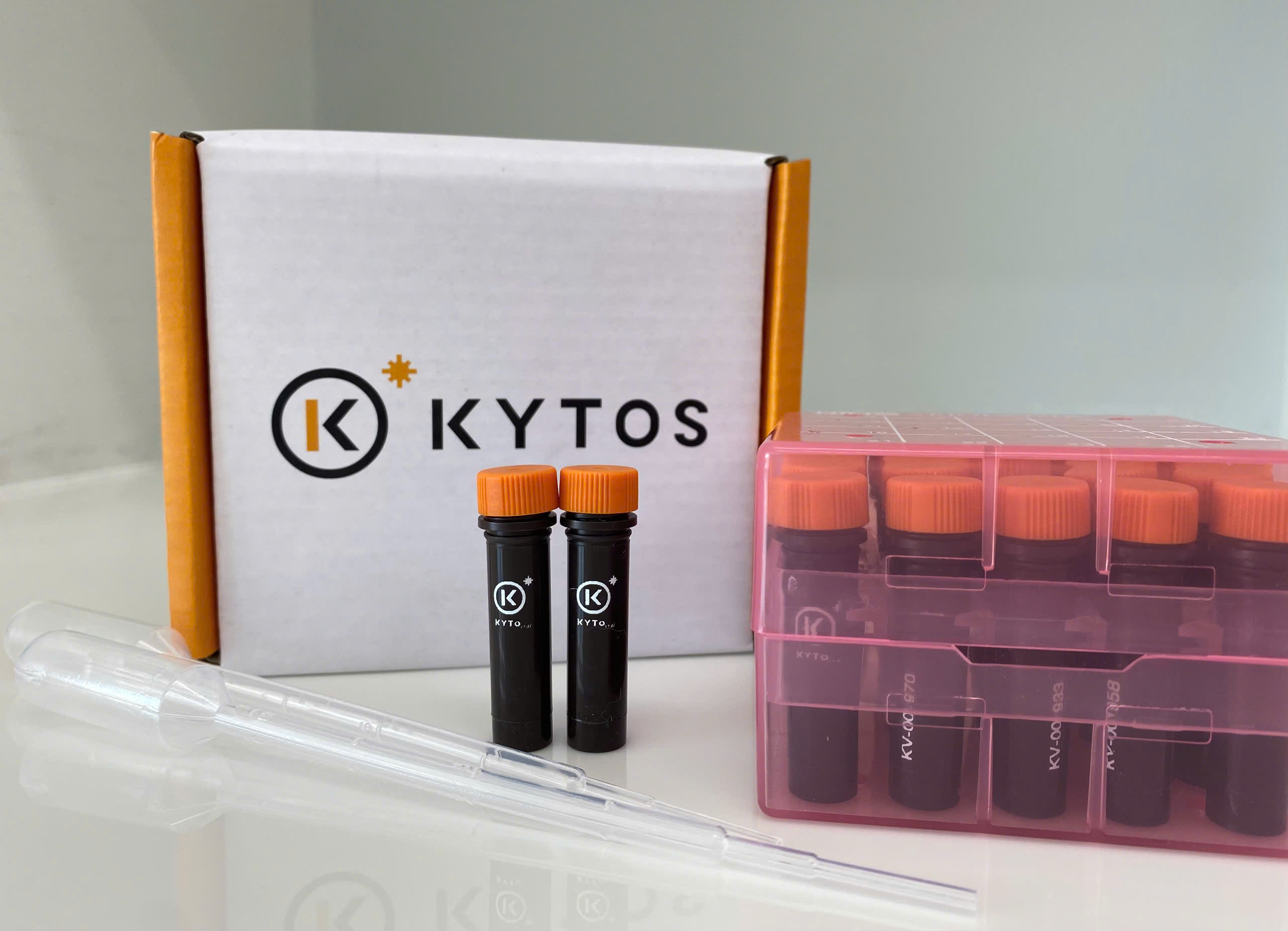
Provision of Kytovial tubes for sample collection
Analysis of samples using KYTOS technology
Development, training, and evaluation of the machine learning model
Technical support and coordination of experimental procedures at PHARMAQ
Model training and evaluation results (to be updated)
The results of model training and evaluation will be presented upon completion of data analysis. The analysis will focus on assessing the model’s ability to detect and quantify the two target bacterial pathogens based on the collected microbial data.
The evaluation is expected to include the following metrics:
Accuracy of the model in detecting the presence of target bacteria
Correlation between predicted values and ground-truth concentrations derived from spike-in samples
Predictive performance across a range of bacterial concentrations
Assessment of error and model reliability under different sample conditions
In addition, the results will explore the potential application of the model for expanding microbial monitoring parameters within the KytoApp platform. The model is expected to be integrated into the analytical system to support early detection of pathogenic bacteria and provide quantitative insights for water quality monitoring in aquaculture systems.